
Blog Objectives
This blog will walk you through the various ways to get a substance abuse counselor certification without a traditional four-year degree. You will be able to read through alternative options for becoming a certified substance abuse counselor, learn about the different types of credentials, requirements, and more on how you can pursue your dream career in helping people overcome their addictive behaviors.
The problem of growing addictions in America remains an issue of grave concern, calling for the immediate attention of compassionate and qualified social workers. Many people are inspired and willing to work in this highly rewarding career but are often undecided about whether or not a college education is necessary by exploring the different methods of substance abuse counselor certification.
Laitinen Academy provides extensive learning programs with the aim of helping you reach your goals towards obtaining your certification, regardless of your level of education. Their flexible learning programs are sure to prepare you adequately for the challenges you are expected to face in the field of addiction counseling.
What Certification Options Exist Without a Degree?
Several routes are available for those without a bachelor’s degree. Peer recovery coaches are the easiest to qualify for. They place great emphasis on experience and training rather than on formal education. A recovery peer coach can offer invaluable support by sharing their own experience and guiding others on their road to recovery.
The requirements to acquire SAC certification vary by state, but many states provide certifications at the basic level to those with a high school diploma or GED. These generally entail completing a drug and alcohol counselor training program, gaining the necessary work hours, and passing a certification examination.
Substance abuse training certification programs offer significant knowledge in the methods of counseling, ethics, assessments, and treatment planning.
Are the Requirements the Same for All States?
No, the requirements differ tremendously from one state to another. Some states are quite strict when it comes to educational requirements, while others are lenient. Check your requirements from your state’s certification board or substance abuse board.
For instance, the following factors should be considered when investigating the requirements:
- Minimum education level accepted
- Required training hours for drug and alcohol counselor training
- Supervised clinical experience hours
- Examination requirements and continuing education obligations
How Does Certified Alcohol and Drug Counselor Training Work?
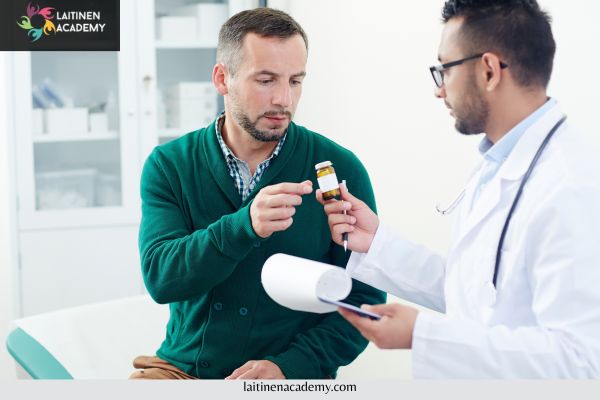
Certified Alcohol and Drug Counselor Training programs give learners the skills required to work effectively with people with problems of addiction. Skills learned include assessment, treatment planning, counseling, ethics, and cultural competency.
Training usually includes:
- Classroom instruction in addiction theory and treatment modalities.
- Development of practical skills through role-playing and case studies.
- Training in ethics and professional boundaries.
- Learning co-occurring mental health disorders.
- Crisis intervention techniques
Can Experience Replace Educational Requirements?
Several certification organizations understand that experience has tremendous value. Though a certain level of substance abuse training certification may be necessary, there may also be a substitution for education with work experience.
Documentation of your experience is an essential factor. Detailed records of your supervised hours should be maintained in the following ways:
- Dates and duration of supervision sessions
- Types of clients served
- Interventions and techniques practiced
- Supervisor evaluation and feedback
- Continuing education completed
What Are the Benefits of Starting Without a Degree?
There are some benefits that come with an alternative pathway when you begin your career. First, you get into the job market sooner, earning money and getting work experience. In addition, many employers encourage their workers to get certified by providing supervision hours and monetary support.
Furthermore, coming in without a degree will allow you to determine whether this type of job fits you before committing to expensive school. Some counselors get their degrees while working in this field, using tuition reimbursement offered by their employer. Others discover that degrees are not necessary to fulfill their professional aspirations.
Key Takeaways
- Without a four-year degree, several addiction counseling certifications can be attained.
- Peer recovery coach certification is usually based on experience rather than education.
- State requirements for SAC certification differ widely throughout the United States.
- Drug and alcohol counselor training usually accepts students with high school diplomas.
- Supervised clinical hours and continuing education are essential for all levels of certification.
Conclusion
It is perfectly possible to break into substance abuse counseling without a degree; it just takes some strategic planning and dedication. First and foremost, research what your state requires and what kind of training programs are available to you.
Get the training and support you need to succeed with Laitinen Academy. At Laitinen Academy, we are dedicated to helping you achieve your certification goals. We know the difficulties you are presently encountering and would like to help you with the process.
Your decision to become a certified professional is a courageous and compassionate step. Begin your new life today and change your own life and the lives of so many who are captured by addiction.
FAQs:
Do I need personal recovery experience to become certified?
However, not all certifications. Peer recovery coach certification places value on lived experience, whereas traditional counselor certification does not.
How much does certification training cost?
Drug and alcohol counselor training costs can range from $1,500 to $5,000, depending on the length and level of the training program.
Can I work while fulfilling my certification requirements?
Yes, many people work in an entry-level addiction services job while gathering supervised hours for a substance abuse training certification.
Will I earn less without a degree?
Yes, initially, however, there are competitive pay scales for experienced certified counselors, even if not degreed, with their income depending on the level of certification.